Sunday, 14 September, 2025
Saadiyat Island – The Jewel of Abu Dhabi
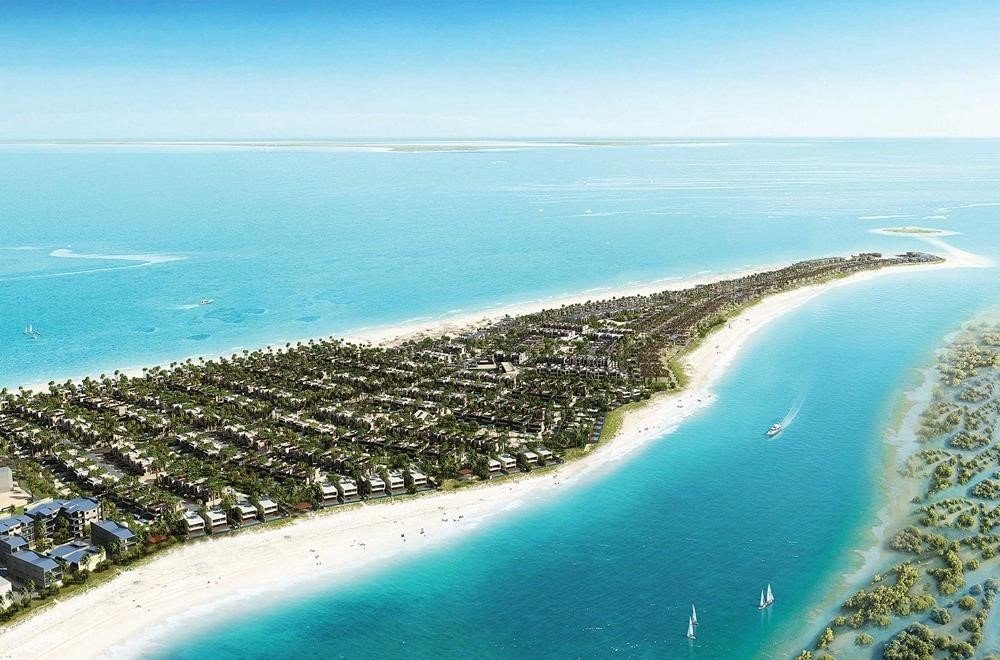
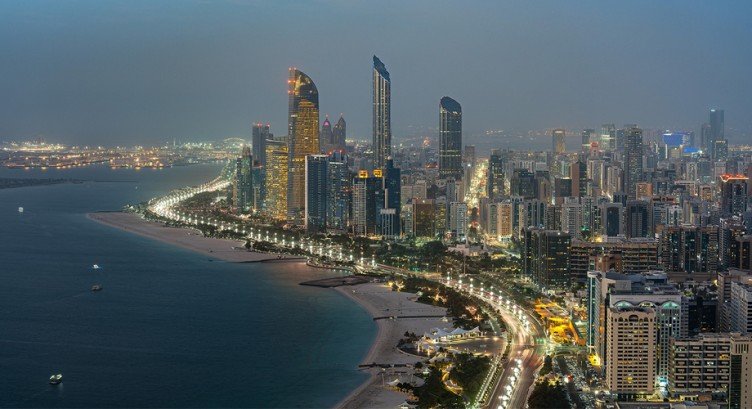
With its pristine beaches, world-class culture, and unparalleled lifestyle, Saadiyat Island is more than just a destination — it’s a statement of luxury, refinement, and possibility. Nestled along the turquoise shores of Abu Dhabi, this island is the epicentre of art, architecture, leisure, and investment opportunities in the UAE. For many, the UAE conjures images of Dubai’s skyscrapers or Sharjah’s heritage. But those who step onto Saadiyat Island quickly realize it is Abu Dhabi’s crown jewel — a destination where natural beauty blends seamlessly with iconic cultural landmarks and exclusive living. An Overview of Saadiyat Island Stretching over 27 square kilometers, Saadiyat Island is home to award-winning beaches, luxury resorts, iconic museums, and prestigious residential communities. The island has been carefully developed to balance modernity and sustainability, offering residents and visitors a chance to enjoy the best of both worlds — serenity and sophistication. It’s here that Abu Dhabi’s vision of becoming a global cultural capital truly comes alive. Saadiyat houses institutions like the Louvre Abu Dhabi, Manarat Al Saadiyat, and soon-to-open Guggenheim Abu Dhabi and Zayed National Museum, making it a hub for art lovers worldwide. With white sandy beaches stretching endlessly, exclusive beach clubs, and turtle-protected coastlines, Saadiyat also preserves its natural ecosystem, ensuring harmony between luxury and environment. Location & Connectivity Strategically located just 7 minutes from downtown Abu Dhabi and 25 minutes from Abu Dhabi International Airport, Saadiyat Island offers unmatched accessibility. Connected by Sheikh Khalifa Bridge, the island is both secluded and well-connected, making it an ideal choice for residents, investors, and tourists. Dubai is also just under an hour’s drive away, making Saadiyat the perfect escape in the heart of the UAE. Lifestyle & Attractions Saadiyat Island redefines what it means to live well: Cultural Capital: Home to Louvre Abu Dhabi and the upcoming Guggenheim, Saadiyat puts global art and heritage at your doorstep.Luxury Resorts: The St. Regis Saadiyat Island, Park Hyatt, and Jumeirah at Saadiyat elevate leisure and hospitality to world-class standards.Pristine Beaches: Saadiyat Beach, Soul Beach, and Kai Beach offer crystal-clear waters and fine sand unlike anywhere else in the region.Wildlife Encounters: The island protects Hawksbill turtles and features rich marine life, making it a sanctuary for nature lovers.Golf & Wellness: Saadiyat Beach Golf Club, designed by Gary Player, and premium wellness retreats offer recreation for all lifestyles. Investment Opportunities in Saadiyat Beyond its cultural and lifestyle appeal, Saadiyat is a powerful magnet for investors. Residential Communities: Luxury villas and waterfront apartments at Saadiyat Lagoons, Nudra, and The Dunes are among the most sought-after properties in Abu Dhabi.High Returns: With growing international demand and limited availability, Saadiyat real estate offers consistent appreciation and attractive rental yields.Golden Visa Eligibility: Properties above AED 2 million make investors eligible for long-term UAE residency, adding to its appeal. Saadiyat is not just about buying a home — it’s about owning a slice of the UAE’s most prestigious address. Why Saadiyat Island is Unmissable Few destinations in the world bring together art, culture, leisure, and investment potential the way Saadiyat Island does. It is: Abu Dhabi’s cultural and lifestyle hub.A sanctuary of natural beauty with sustainable living.A global hotspot for luxury real estate and profitable investments. Whether you are a traveler seeking beauty, a resident seeking lifestyle, or an investor seeking growth, Saadiyat Island promises to exceed expectations. ✨ Saadiyat is more than an island — it’s a vision realized, a lifestyle perfected, and an opportunity waiting to be seized.

.webp)